As the urgency of climate change intensifies, the search for scalable, realistic, and scientifically grounded solutions has never been more critical. While renewable energy transitions and carbon capture technologies dominate headlines, one of the most practical and immediately deployable climate strategies lies beneath our feet: biochar. This carbon-rich material, produced through the thermal conversion of biomass, offers a rare combination of environmental restoration and long-term carbon sequestration. Unlike many theoretical climate interventions, biochar is rooted in natural biological cycles and supported by centuries of agricultural practice.
Locking Carbon: Turning Photosynthesis into Long-Term Storage
Plants absorb carbon dioxide (CO₂) from the atmosphere through photosynthesis, converting it into organic carbon stored in stems, leaves, and roots. Under natural conditions, when plants decompose or are burned openly, most of that carbon returns to the atmosphere as CO₂ or methane. This cyclical release limits the long-term climate benefit of plant growth.
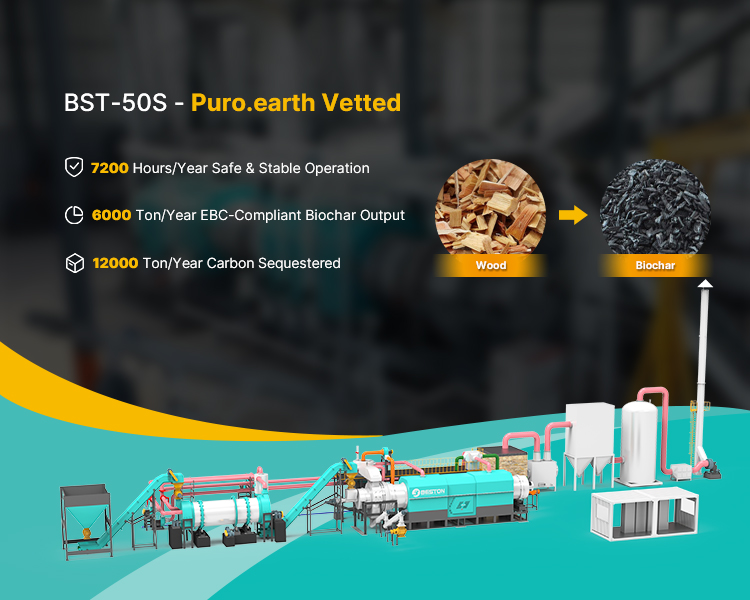
However, when biomass undergoes controlled pyrolysis—thermal decomposition in a low-oxygen environment—the outcome changes dramatically. Approximately 50% of the carbon content can be transformed into a stable, aromatic structure known as biochar. This structure resists microbial breakdown and chemical oxidation. Instead of re-entering the atmosphere, the carbon becomes locked within a solid matrix that can persist in soils for hundreds to thousands of years.
Modern systems such as a biochar making machine are designed to optimize this conversion efficiency. By precisely controlling temperature and residence time, these systems maximize carbon retention while minimizing emissions. In climate accounting terms, this process can achieve “carbon-negative” status—removing more CO₂ from the atmosphere than it emits during production.
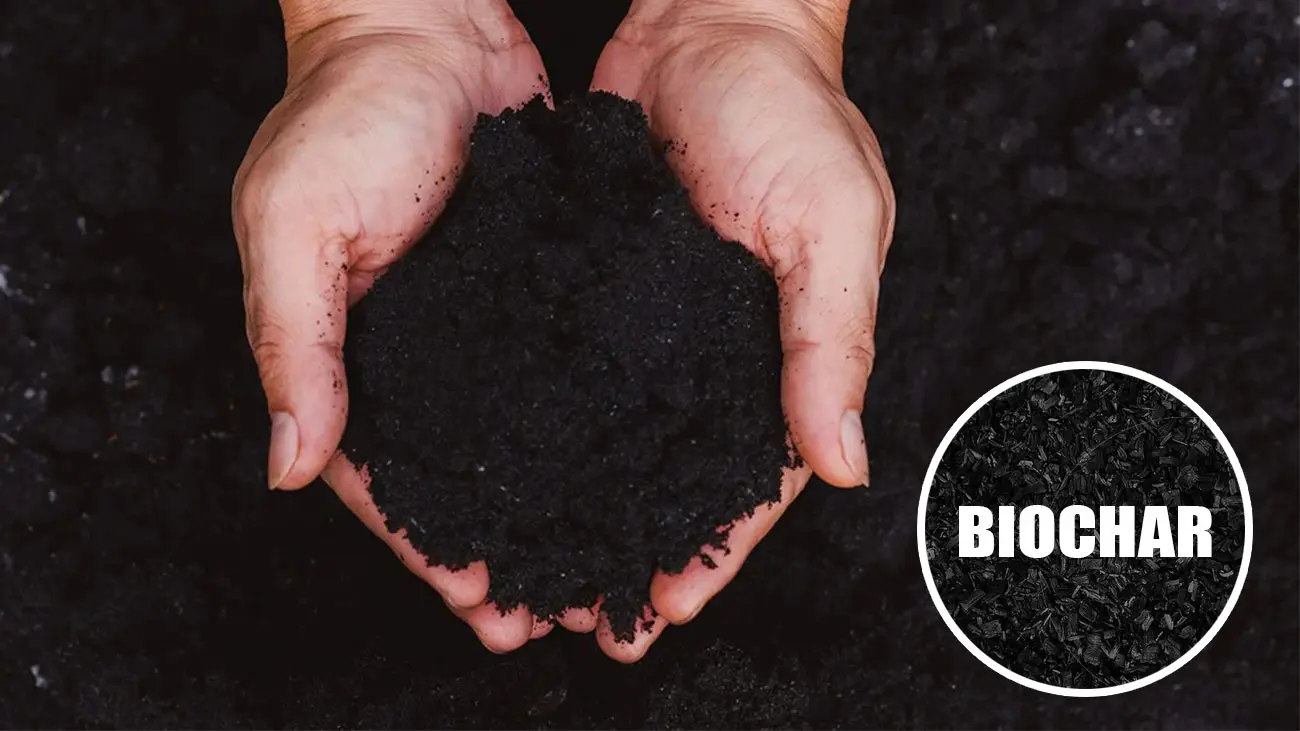
Soil Improvement: A Sponge-Like Structure with Lasting Benefits
Biochar’s environmental value extends far beyond carbon storage. Its highly porous structure resembles a microscopic sponge, with an immense internal surface area. When incorporated into agricultural soils, this physical characteristic translates into significant agronomic advantages.
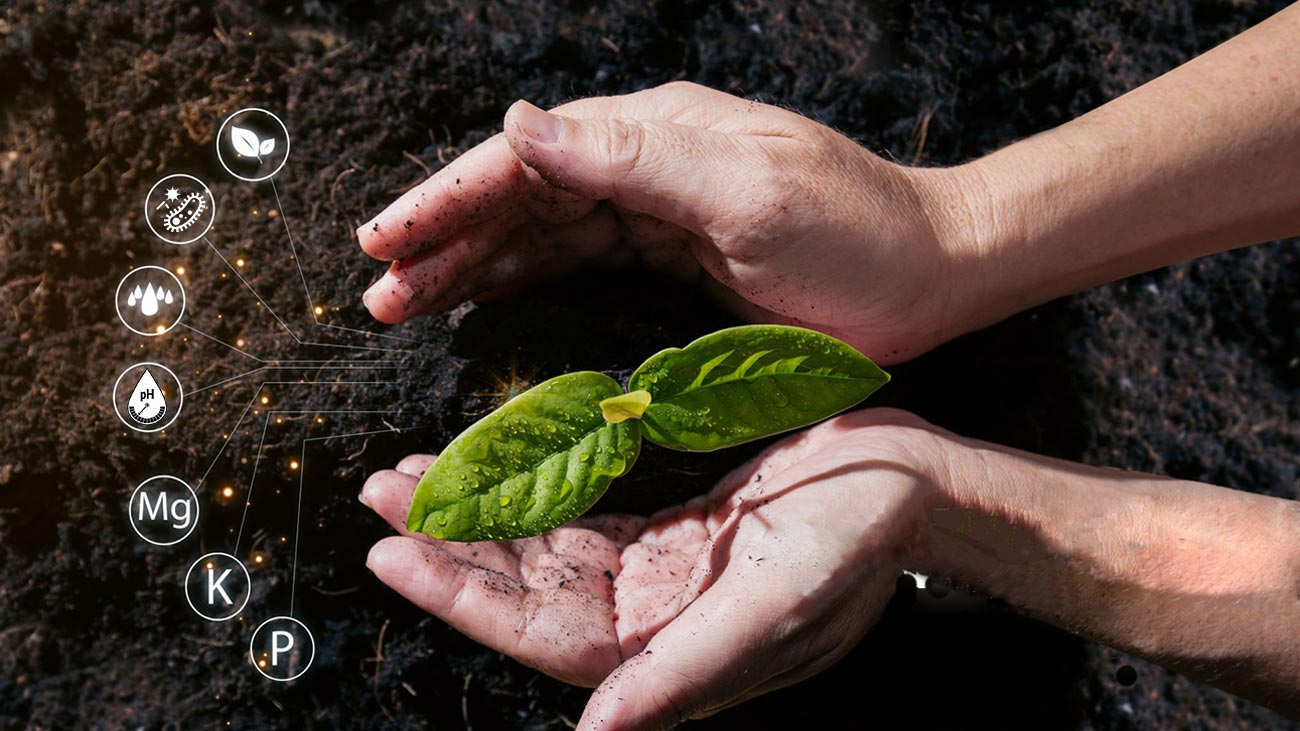
First, biochar enhances water retention. In drought-prone regions, soils amended with biochar can hold moisture more effectively, reducing irrigation demand and improving crop resilience. Second, it improves nutrient retention. The negatively charged surfaces of biochar particles attract and retain essential nutrients such as nitrogen, phosphorus, and potassium, preventing leaching into groundwater.
Agricultural residues such as straw can be efficiently converted using equipment like a straw charcoal machine, creating value from materials that might otherwise be burned in open fields. This not only reduces air pollution but also returns stabilized carbon back to farmland, completing a sustainable loop.
A Microbial Haven: Supporting Beneficial Soil Life
Healthy soils are living ecosystems teeming with bacteria, fungi, and other microorganisms that drive nutrient cycling and plant health. Biochar’s porous architecture provides protective habitats for these beneficial microbes. Within its microscopic cavities, microorganisms are shielded from environmental stressors such as extreme temperature fluctuations and predation.
This symbiotic relationship enhances soil fertility over time. Mycorrhizal fungi, for instance, form networks that extend plant root systems, improving nutrient uptake. Nitrogen-fixing bacteria convert atmospheric nitrogen into forms accessible to crops. By offering a stable refuge, biochar indirectly strengthens these biological partnerships.
Woody biomass, often sourced from forestry residues, can be transformed through technologies like a wood charcoal machine. Such systems allow forestry by-products to contribute to soil regeneration efforts rather than decomposing and releasing carbon back into the atmosphere.
Permanent Sequestration: Carbon That Stays Underground
One of the most compelling aspects of biochar is its durability. Scientific studies of ancient Amazonian “Terra Preta” soils reveal that biochar-like materials have remained stable for over a thousand years. This long-term persistence distinguishes biochar from many other carbon sequestration approaches that require constant monitoring or risk reversal.
When biochar is buried in agricultural fields, reforestation sites, or degraded lands, the carbon it contains is effectively removed from short-term atmospheric cycling. Unlike afforestation projects that may be reversed by wildfire or land-use change, biochar remains embedded in the soil matrix. This permanence strengthens its credibility within carbon offset frameworks.
Even specialty biomass sources such as coconut shells can be converted into high-quality biochar using a coconut shell charcoal making machine. Such diversification of feedstocks enhances scalability, making biochar production adaptable across agricultural and tropical regions.
Conclusion: A Grounded and Scalable Climate Strategy
In the global effort to combat climate change, practical solutions must balance scientific rigor, economic feasibility, and ecological benefit. Biochar uniquely satisfies these criteria. By converting plant-based carbon into a stable form that enriches soils and supports microbial life, it transforms agriculture into a powerful climate ally. Its ability to lock carbon for centuries while improving crop productivity positions it as one of the most pragmatic carbon-negative strategies available today. As deployment expands and production technologies advance, biochar may well become a cornerstone of sustainable land management and long-term climate resilience.